Thursday, February 17, 2011

LITTLE KNOWN FACTS ABOUT TIME TESTED HEALTH TIPS

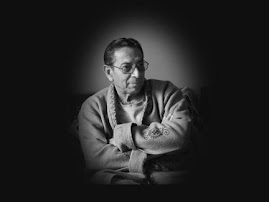
Amar Nath Mukherjee

Nature is our health fitness provider as such, more we are keeping away or insulate ourselves from nature, more often than not we are inviting myriads of avoidable infirmities and illness.
Therefore it is all the more imperative to imbibe the nature’s gift to the mankind earnestly. To elicit the various details of nature’s bounty to the mankind, given hereunder the foods that are conducive to keep us healthy and disease-free.
Our basic requirements of food are as follows – Carbohydrates, Proteins, Minerals, Fats, Fibres and Fluids. The required Vitamins are incorporated in the above mentioned food ingredients. But the balanced diet, depending absolutely upon the age, activity and avocation of the person, is of utmost importance.
In view of the above, some of the healthy food habits time tested to be suitable, particularly to the aged persons.

 Fats and sweets intake should be brought down to the minimum if not completely eliminated from the diet of the person who has crossed fifty years of age.
 The normal diet should comprise of at least 35 to 40% of raw food in the form of fruits, salads etc.
 Beside fats, deep fried foods and sweets should be avoided by overweight persons and even fruits like Mango, Banana, Sapodilla (Chikoo), Grapes etc. will have to be restricted.
 Thumb rule for determining desired weight for men is as follows –
(a) Convert the height in inches then change it to Kg. ± 1 Kg. tolerance; i.e if the man’s height is 5 feet and 7 inches, his ideal weight would be 5 X 12 + 7 = 67 Kg. ± 1 Kg.
(b) But for women it is to be determined as follows – a 5 feet tall woman should weigh 52 kg. and add 2 Kg. for every inch higher than 5 feet. In other words, the desired weight of a 5 feet 3 inches tall woman should be 52 + 3 X 2 = 58 Kg. with a tolerance of ± ½ kg.
 The desired weight of the person is absolutely necessary to maintain good condition of the knee-joints. In other words overweight is inimical to the upkeep of the knee joints.
 The maintenance of proper waistline is essentially required for proper functioning of our vital organs viz. Liver, Pancreas, Kidney, Stomach, Gallbladder, Spleen, Intestine etc., which are lodged inside our abomino-pelvic cavity. The waistline is disfigured mainly due to :
(a) Laxity of the abdominal muscle tone.
(b) Excess fat deposition of the abdomen.
 Besides aesthetic and psychological factors, there are sound health reasons why strong well toned abdominal muscles are essentially required.
 Firstly, our strong abdominal muscles support the membranes that keep the aforementioned vital organs in their original places, which enable them to function efficiently.
 Secondly, by giving support to the lower spine, firm abdominal muscle help avoid or eliminate lower back pain.
 And lastly, they can help prevent or clear up some of the complications of constipation. As such one should augment abdomen-strengthening exercises along with his daily workout like walking, jogging, stretching etc.
 The muscles in the back and the abdomen muscles support the lumber spine, hence the tone and flexibility of the back as well as abdominal muscles are essentially indispensable in keeping a healthy spine.
 There is a misconception that a person with back problem should never bend forward. But, in fact forward bending muscles are the biggest shock absorbers of the spine and if these are not utilized or mildly exercised, they tend to atrophy and become stiff, which results in increased load on the spine and in turn exacerbate pain with the slightest physical activity.
 The body’s requirement of water does not commensurate with the intensity of the thirst, hence for maintaining a healthy body one should drink about 8 to 10 glasses of water in a day irrespective of whether he feels thirsty or not.
 For the reduction of obesity it is advisable that one should drink at least a litre (about four glasses) of lukewarm water after getting up in the morning without even brushing teeth and not taking any food or liquid diet at least for an hour thereafter.
 Brushing of teeth should be done preferably twice in a day, once after lunch and then just after the last diet taken in the night. Usually most of the people opt to brush in the morning, which is not conducive to maintaining healthy gums or teeth as the food particles get lodges inside dental crevices and those get decomposed overnight in the mouth causing damages to the gums and teeth. Hence brushing only in the morning is not a good habit to maintain healthy gums and teeth.
 Unbalanced diet and overeating are considered to be the major causes of premature ageing. We generally overeat not only to satiate our hunger but to satisfy our tastebuds and over a period of time it becomes our habit. The total calorie that we get out of our diet are spent in three heads:
(a) For growth requirement
(b) For body’s metabolic activity
(c) For day to day physical activity we are engaged in
 After the puberty body’s growth requirement becomes insignificant, if not nil, but since food habits and its intake remains the same the surplus food tends to deposit as fat, consequent to which, waistline increases and in addition to this, lesser physical activity with advancing age results in laxity of the abdominal muscles, finally developing to a big paunch.
 Scientists earlier considered that the foods mainly comprising of carbohydrates, fats, proteins, minerals, vitamins and water are all that body needs. But further investigation reveals that a lot of other biologically active food component, called Enzymes, play an active role in all the metabolic activities that take place in the body.
 The Enzymes are essential for digestion of food, stimulating brain function and repairing tissues, organ’s, cells and as such without Enzymes our body can not assimilate the proteins, fats, carbohydrates, vitamins present in the foods, which are required for healthy bones, hair, skin, muscles, glands, hormones etc.
 Our body manufactures its own set of Enzymes to use it for digestion, assimilation, detoxification and elimination of waste. Nevertheless outsourcing of Enzymes in essentially required with advancement of our age. Since the Enzymes are extremely heat sensitive , they are destroyed during cooking. Hence raw foods like fruits, salads, sprouted grams, mung, nuts, should therefore be taken everyday, which should form a part of our regular diet.
 Since enzymes are not stored in the body, they have to be replenished with a regular supply of fresh fruits and raw salad to maintain the level of stock required by the body.
 The colourful pigments in fruits and vegetables wonderfully help us to fight diseases and infections. These pigments are known as phytochemicals and can be termed as hidden nutrients of fruits and vegetables. There are various types of these phytochemicals with tongue twisting names like phytosterols, polyphenols, carotenoids etc. etc.
 The National Institute of Nutrition carried out extensive studies on food containing phytochemicals and found out their antioxidant and detoxifying properties that effectively counteract the degenerative process in human body. Therefore the regular consumption of these coloured fruits like pink red apples, bright orange, yellow mangoes, papaya, blood red cherries, plum, deep purple grapes, jamun (blackberries), pineapple, tomatoes, leaves of spinach, methi (fenugreek), coriander leaves, mint leaves, beetroot, carrots etc. are essentially required. Since these phytochemicals are also heat sensitive, hygienically washed raw vegetables and fruits and salads are the best way to high nutrition intake.
 Fibre is another food item which does not provide energy or nutrient and yet it is of utmost importance to keep us in good health. It is that part of the plant which can not be digested, hence it passes through our gastrointestinal tract unchanged and acts just like a scrubber to clean the gastrointestinal tract of toxins, fats, wastes and even helps lower the cholesterol and controls blood sugar in diabetics. Because of its effect on reducing transit time of the stools, it greatly reduces the risk of colon cancer.
 In view of of the above try to include adequate roughage on our diet like whole grain cereals, sprouted pulses like mung, chana, fruits and vegetables, finally try to consume foods as close to their natural state as possible.
 Morning walk is supposed to be one of the best form of exercise a person can undertake without even requiring any expert’s guidance. But some of the tips the writer deems fit to mention hereunder for making the morning walk more effective to maximise the benefit thus obtained –
(a) The best time to go for a walk is in the transition phase between night and daybreak, since in the night the trees and plants continue expel carbon dioxide, atmosphere is thick with CO2 at night. Similarly in the late hours of morning the atmospheric pollution increases substantially; as such twilight is the best time to go for a walk.
(b) A person usually walks at a speed of about 1 km. in 10 to 12 minutes. Therefore 40 to 50 minutes of walking is sufficient to get the body fully warm up, after which time one should perform a bit of stretching exercise, which is necessary for the flexibility of all the joints, but mind you, the stretching should never be performed by jerky motion engendering problems of ligaments and muscles.
(c) To augment the advantages of walking one should incorporate a deep breathing exercise, which is known in YOGA as “Bhraman Pranyam”.
(d) The benefit from long walking is not fully achieved unless say about 10 to 15 minutes of “Shabasana” is performed thereafter. Shabasana is a complete relaxation in supine position (not soft bed, no pillow).
 As the name suggests, the Pranayam is to be performed during walking only. The method is very simple; it is like inhaling during first four steps and exhaling during subsequent six steps and going on repeating this breathing sequence for 10 to 15 minutes of walking at the beginning and then gradually increasing the time period. This consciously controlled breathing sequence should be tried out till one can perform this Pranayam during the entire duration of walking activity; it is noteworthy to mention here that at any point of time if somebody feels uneasy or out of breath then resort to normal breathing for some time and again resume the earlier sequence.
 The benefits of Bhraman Pranyam are many, particularly in increasing the air intake capacity of lungs. In normal breathing it gradually becomes very shallow, as a result, our lungs are deprived of adequate supply of oxygen thus impairing body’s metabolic activity.
Bhraman Pranyam is particularly beneficial to the old person with bronchial problem, asthma, recurrent cough and cold etc. The best breathing is the deep breathing more air at slower pace.
 Abdominal breathing or belly breathing is the way babies and the classical singers perform. Belly breathing helps establish a state of psychological calm and can neutralize negative effects of our stress.
 Perform the belly breathing specially when you are in “Shabasana” (deep relaxation in supine position). In belly breathing your abdomen will move up and down as you breathe in and out, which brings air down into the lower portion of our lungs by dropping the diaphragm down and the air is sucked into the deepest alveoli of the lungs where oxygen exchange in most efficient. One can practise belly breathing consciously throughout the day even when one goes to sleep and particularly in any stressful situation.
 High blood pressure or hypertension is a common health problem after the age of fifty and even some cases earlier and it is considered to be the silent killer; it has a deleterious effect on our kidney, heart, eyes and brain if it is not kept under control. The upper limit for normal blood pressure at this age is 140/90. Our heart beats over one hundred thousand times in a day and at every beat about half a cup of blood is pumped into the arteries and circulates through about one hundred and twenty thousand blood vessels before returning to the heart via veins and this activity goes on continuously and force exerted by the pumped blood against the artery walls is the blood pressure. There are two readings observed at the time of testing, the pressure peaks when the heart contracts (systole) and the pressure decreases when the heart relaxes (diastole). Now it is the diastolic pressure that determines the severity of hypertension since during this phase our continuously acting heart gets the opportunity to relax.
 Now the chronic elevation of pressure in the arteries forces the heart to pump harder and it gets enlarged to cope up with the increased work load, consequent to which heart becomes strained and pumps less blood with each beat.
 Since hypertension like diabetes becomes a lifelong companion at this age. Treatment and occasional check-up has to be lifelong too and lowering the blood pressure for a few months is of no value.
 Therefore hypertension control management has to be meticulously adhered to for keeping the body fit to avoid any probable complication, the treatment of which is expensive and also less effective.
 Besides regular medication under the guidance of a Physician, weight control measure with proper diet and regular exercise is equally important. Common salt and fatty foods have to be limited, one has to restrict intake of alcohol and tobacco and last but not the least one has to minimise stress as far as possible. Practise Shabasana & Bhraman Pranyam to alleviate the ill effects of stress.
 As per Dr. B.M. Hegde, who has several U.K. Medical Degrees and a visiting professor of Cardiology at the Middlesex Hospital Medical School of London University and presently the vice chancellor of the Manipal Academy of Higher education emphasizes on drug free regimen, stresses on diet and moderate exercise rather than on tablets and injections. According to him, only in the field of emergency care and that too mostly as a palliative, the modern medicines do have a part to play.
 Health and fitness activities can be classified into four main parts as follows:
(a) Cardiovascular conditioning
The Cardiovascular conditioning is achieved by jogging, brisk walking, swimming, cycling, cycling and running and even fast dancing, which are a part of aerobic activities that pump the heart and boost blood circulation of the body.
 By these activities we can improve and increase the efficiency of our heart and lungs function and help burn out unwanted fats too.
 But to achieve the desired goal we should be particular about the intensity of these activities. To measure the desired intensity we should elevate the function of our body to the aerobic zone i.e. the pulse rate should be around 70% of our maximum heart rate (MHR), (MHR = 220 – Age). As a rule of thumb, person of age 50 should have about 120 heart beats or pulse rate per minute during his cardiovascular activity.
 In view of the above it is suggested that one should occasionally check the pulse rate immediately upon stopping the activity as the heart rate begins to slow down very quickly at resting position. Needless to mention here that if the pulse rate is not even raised more than 60% of MHR, the desired result will not be achieved.
(b) Strength Training
 Strength Training means exercising with weights or by pulling and pushing against a device that offers resistance. Now there are two types of strength training exercise which are:
• Isotonic Exercise
• Isometric Exercise
 Isotonic exercises are meant particularly for body builders, who do it with a heavy load to increase and develop muscles of the body.
 The Isometric exercises, on the other hand, are meant for athletes, players, wrestlers, whereby they substantially increase the strengths of their muscles without resorting to a heavy load for exercising. It mainly comprises of pushing, pulling, stretching with a device that offers moderate to hard resistance.
 Now, for body fitness why a person, who neither wants to become a bodybuilder nor a wrestler nor an athlete, should require strength training; the reason being to slow down our gradual loss of the muscle mass and tone of our muscle which inevitably associated with our ageing process.
 By moderate strength training, we can certainly regain and decelerate the process of ageing, which is why, it is incorporated in health fitness activities.
(c) Stretching
 Stretching is a very important activity of our body fitness as without keeping our body flexible our muscles, tendons, ligaments and joints can not function properly.
(d) Relaxation
 Finally relaxation, which is a very important activity of our daily workout. After subjecting our body to the aforementioned activities our system does essentially require a period of relaxation preferably in Shabasana, for at least about 10 to 15 minutes. This is required for normalizing the entire body and mind together.
In concluding lines, I must say that our body is enormously resilient provided we maintain it religiously and use it with utmost care.

**********

Monday, August 30, 2010

The Perilous Paunch

Amar Nath Mukherjee

Bulging waistline has almost become a common sight amongst the people irrespective of their gender age and avocations. In fact this physical phenomenon of the present population has alarmingly assumed an epidemic form. It appears, we are not at all concerned in spite of the fact that it jeopardizes our physique, aesthetically and physiologically.
Also, perhaps we are not aware of the reasons as to why our strong abdominal muscles are essentially required for maintaining a sound health. But before elaborating the health hazards of the bulging belly it is imperative that we should first find out causes behind the bulge that we consciously or unconsciously allow to grow and try to conceal it under our attire. Our abdominal muscle (rectus abdominous) provides an effective visceral support to our abdomino-pelvic cavity which contains body’s vital organs like liver, intestine, pancreas, spleen, bladder, kidney, stomach etc. But with age, inactivity and indiscriminate food intake this abdominal muscle gradually becomes lax and loses its tone, over and above, visceral and subcutaneous fat gets deposited in this area having a higher concentration of adipose tissue particularly in this region (adipose tissues are the storehouse of fat and metabolic waste), as a result of which, our effective support device ultimately goes haywire giving rise to the hideous paunch; consequently those vital organs, earlier stated, can no longer remain in their original places, invariably causing their functional impairment.
When this excess amount of fat gets deposited, it starts “stealing” the insulin from the cells, since insulin is required for the fat deposition in the body, as depleted amount of insulin can not help burn up sugar within the cells for releasing the energy required for vital metabolic functions of the body, over and above in the normal course, the insulin produced by the pancreas chemically communicates with the liver to take up excess glucose in the blood to convert it into a storable form called glycogen. Moreover higher the deposition of fat, greater will be the loss of receptors of insulin on the surface of the cells, leading to the development of insulin resistance. The pancreas produces enough insulin but cells fail to respond due to their insensitivity. Therefore bulging belly largely increases the chance of acquiring Diabetes type II at an advanced age of the population. Besides diabetes, incidences of coronary artery diseases increase along with the increase of waistline.
The lax abdominal muscles can neither provide visceral support nor can support the lumber portion of vertebra which results in excessive concavity of the lower back, causing nagging back pain which will also be responsible for early joints degeneration (Spondylosis).
The paunchy abdomen by and large restricts the forward bending of such dorsal muscles of the spine which are supposed to be the biggest shock absorbers that remain unused and cause muscle atrophy and also becomes stiff, consequent to which blood circulation in these areas is significantly reduced. Therefore it is extremely important that all the “Pot bellied” persons should sincerely endeavour to reduce their waistline to avoid any inevitable pathological problems with their growing age.
Since the general cause and its resultant effects of the bulging belly have already been elaborated, the effective way of reducing the waistline is given here as under. But before undertaking the reduction workout one must always keep the following points in consideration:
1. Do not expect to achieve anything overnight.
2. Progress will depend on how regular one is adhered to the workout schedule.
3. Older and bigger the bulge, longer will it take for the desired result.
4. One has to go slow in case the person is already suffering from lower back pain lest the pain may aggravate with sudden onset of abdominal exercise.
5. One should also keep in mind that simple brisk walking does not significantly contribute to reducing of bulging waistline as special efforts will have to be made to reduce the waistline.
Ideally, the waist measurement should be about 3 to 4 inches lesser than chest measurement.
Now the question is how to tone up the lax abdominal muscles? Mind you, all our muscles respond to contraction and stretching. By regular and repeated contraction and stretching of the abdominal muscles, it gradually gets toned up and also gets rid of the accumulated fat deposited around the waistline. While on the subject, I would also like to stress that one has to simultaneously restrain food intake, particularly those calorie dense foods like, sugar, sweets, ghee, butter, whole milk etc., because these foodstuffs largely contribute to the deposition of fat in our body.
Therefore it is all the more imperative to suggest that both exercise and restriction of food would yield desired results early. For contracting and stretching of the abdominal muscles the following exercises are recommended:

Contracting:

(1) Lie on your back and keep both hands by your sides, then gradually lift both the legs together and keep them straight, lift the legs to the extent so that it makes about 45o angle from the ground level and keep this position for a count up to 10, then lower them to the starting position.
Repeat this exercise initially for 6 times and over period of time increase to 10 to 15 repetitions.
(2) Lie on your back with legs bent and feet flat on the floor, legs to be kept about a foot apart, keep hands by the side of the head, now try to lift the head as far as possible then rest the head in the starting position. Do it initially for 6-8 times and gradually increase the repetitions for 10-12 times. While doing this exercise you can feel the toning effect of your abdominal muscles.
(3) Lie flat on your back with arms straight out to the sides, raise your knees keeping them bent together with your feet flat on the floor, keeping the shoulders on the ground tilt both the knees to the left and lower them together to the floor, simultaneously twist your head to your right and hold on in this position for a count of ten and then do the same on the other side.
(4) Side bending: – Stand erect, raise both the hands about the head and hold it, then gradually bend or tilt to the right and stay in this position for a count of six then return to the starting position, then repeat on the left side, try to keep the breathing normal (5-6 times).
(5) Bending at the back: – Keep the legs apart about a shoulder width, raise both the hands straight over the head then gradually bend backward as far as possible, remain in this position for a count of five, then return back to the starting position, repeat this posture for 5-6 times and relax.
(6) When backward bending is over then gradually bend forward tending to touch the toes, head should remain beside the hand, remain in this position for a count of five then go back to the starting position, repeat this posture for 5-6 times and relax.
The regular workout of the back muscle is essentially required to avoid being a rigid spine, the muscles at the back are the body’s best shock absorber, hence rigidity on this part entails myriads of orthopaedic problems.
In view of this, one must get rid of the pot belly so that the dorsal or back muscles remain stress free due to undisturbed centre of gravity of the body; also the easy movement of the back keeps the muscles flexible.
While stressing mainly on back and abdominal muscle I would also like to state that one should be impartial to the workouts of other muscles as well. Only then one can expect an overall reduction of body weight, since spot reduction is not possible.
By and large we take our food not as per our body’s requirement but to satisfy our taste buds, as a result of which excess calories that we consume gets deposited in our body as fat layers and blood circulatory network in these layers are very poor. As a consequence the blood’s usual activity of providing nutrients and oxygen, besides simultaneously cleaning up the toxins like metabolic waste is highly restricted in these fat deposited areas thereby making the body vulnerable to various diseases. Mind you, inherently our body has got an enormous power to counteract, repair and recoup on its own, only we have to sincerely listen to, respond and provide our body the physiological support through required nutrition and regular workout and at the same time we must also remove the obstacles in the form of our addictions, indiscriminate food habit and sedentary lifestyle.OOO

Tuesday, June 29, 2010

WHY DO WE GRAY WHEN WE GROW OLD?


Amar Nath Mukherjee


The natural somatic changes inevitably occur when we grow old and this change is so common as the ripe old apple or mango along with its changed colour drop into the ground at the end of association with tree.

None of us ever have enquired as to why it so happens; why the Mother Nature is so unkind to us at the fag end of our existence. Does it have any design to eliminate her creation faster or render maximum protection to the senile degeneration of the human being? To obtain the probable answer to this occurrence we must approach to the master craftsman, the nature itself.

If we have observed the life cycle of the trees and fruits around us, we must have seen that at the beginning, blossoms are subjected to cross pollination, following which the fruits come out with a green coating; this green coating is the chlorophyll. This chlorophyll acts as the cook of the tree who prepares food for the trees as well as pack sufficient food stock inside the fruits for the survival of its seeds, chlorophyll prepares food for the tree and fruits with the help of the manure and water which is drawn out from the soil, carbon dioxide from the atmosphere and the sun’s rays (for effecting photosynthesis); as soon as the preparation of food is complete and packed inside the fruit, the chlorophyll activity is no longer required, consequently chlorophyll ceases to exist over the fruits; now the fruit and particularly its seeds are required to be carefully protected from weathering effect like exposure to intense ultraviolet rays or any oxidative damage.

The nature gradually extends its protective cover for the survival of seeds within the fruit by producing coloured pigments like yellow, red, black, purple which are basically carotenoid, flavonoid and other phytochemicals which are extremely efficient to protect seeds from the external hazards of the environment.

This is exactly the reason for our taking a good amount of coloured fruits in our diet to efficiently effecting protection of our physiological system against oxidative damage as we are ageing.

Over and above the colouration of fruits is essentially required for transportation of seeds to wider areas where the birds and monkeys and other species who are attracted by the colours of the fruits which they eat and strew the seeds far and wide.

If we can extrapolate our inference drawn out of trees and fruits on our senile somatic changes, we shall find that the nature has generously extended the similar protection device to the mankind to alleviate the agony at the twilight of our existence in this world. The first thing visible is that our black hair become gradually white so as to protect us from intense light radiation, whiteness effectively reflects sun’s rays (Astronauts always wear milk-white space suits in their space journey to keep themselves protected from the strong radiation).

The skin start shrinking all over our body so that the entire surface area of the body is substantially reduced, sequel to which, the body’s heat exchange process with the surrounding is significantly reduced. The eyesight becomes weak, in a sense, it is good because our eyesight is inherently very strong to find faults of others and is almost nil to find the fault of our own (This is an injustice the nature has inflicted on us at the beginning); in view of this, with the diminishing vision human being shall be more indifferent to others’ inadequacies.

Similarly our hearing ability also weakened and we shall be able to hear only the matters we are solely concerned with and for the rest we shall be almost deaf. (This is the common complaint we hear from the near relative about the old person); with growing old our teeth start shaking or come out of the gum suggesting us not to take rich foods as the rich and inadequately chewed foods will cause digestive problem, hence this action is taken by the nature.

Now coming to the reproductive system of the body, as this system is no longer as efficient as it used to be in younger age and body is not in a position to withstand the rigour of super sexual activities, the nature substantially reduces the libido or the sexual urge so that one can infrequently engage in this activity mildly, causing no strain to the system. It is therefore inadvisable and absolutely inexpedient to override nature’s design to protect us at the fag end of our existence. On the contrary we should gleefully greet the advent of our senile somatic changes the nature brings about to ameliorate our ageing agonies.

__________________

Tuesday, June 22, 2010

WHY DO WE GREY WHEN WE GROW OLD?

Another piece of jewel, penned by Tatumoni, will be posted soon; a magnificent article that tells us about the changes mother nature brings about in our bodies through the terminal phase of our life to help us cope with the conditions.

Sunday, April 20, 2008

MYTHS & REALITIES

Amar Nath Mukherjee


In our day to day activities, we decide our plan of action as per the ideas and various conceptions that we receive from our social and cultural interactions; during that process at times it becomes rather difficult to differentiate between Myths and Realities, moreover we prepare the actions and try to implement unmindfully resulting which of our actions are ineffective if not retrograde.

Hence it is absolutely necessary to consciously and logically dichotomize between Myths and Realities.

Listed below are some of those conceptions that we adopt in our lifetime:-


Myths

Realities

Nothing will happen physically and mentally once we regularly practice fitness actively.

Nobody knows what will happen to us tomorrow in spite of our having a regular fitness actively but we can surely and certainly reduce the risk factors of various diseases substantially but can not make it zero.

Since nobody can prevent and escape having physiological problems, there is no use practicing healthy lifestyle.

Maintaining a healthy lifestyle is essentially required so as to substantially reduce the intensity of any infliction that may happen, also to effect faster recovery rate and lesser medical dependence.

By practicing Yoga and Pranayam, all types of diseases can be cured, be it Leucoderma or Lymphoma.

No panacea has yet been discovered; Yoga or other systems of workout are meant for prevention of diseases and not for its cure; medical help is required for curing diseases.

Young persons need not practice healthy lifestyle since they are much less prone to diseases.

Maintaining a healthy lifestyle is equally important for all age groups because by maintaining healthy workout one can decelerate the ageing process consequent to which there is a marked improvement of the brain chemistry and body’s immune system will significantly be strong to ward off any psychosomatic problems.

No medicine is required for any disease, particularly Diabetes, Hypertension etc. once one engages in Yoga or other workout.

Diabetes mellitus , Hypertension, obesity can not be permanently cured but can be controlled, hence medical management, workout management and diet management will have to be adhered to for controlling the said pathophysiological symptoms.

A particular type of workout or Yoga is suitable for every one irrespective of the physical status of an individual.

Each one of us is invariably different constitutionally; hence one type of workout may not be suitable for everybody.

Moderate to intensive workout is good for maintaining good health.

Moderate to intensive workout threshold is at variance from one person to another, hence at no point of time one should exceed his comfort zone during workout; since to much of exercise is as bad as not doing anything.

Persons bulging belly is indicative of his affluence.

Perilous paunch is responsible for triggering many gastrointestinal and heart problems on the contrary.

Yoga or physical instructor knows best how much exercise one should do regularly for fitness maintenance.

Nobody knows how much is too much and what is inadequate workout, it has to be determined by a trial and error method; first one should quantify the time duration and also repetition of the body movements and gradually establish ones comfortable workout zone.

Instructor can suggest various options suitable for a particular person.

One can remain healthy only by proper diet and medication as and when required.

For keeping a healthy body and mind, exercise is indispensable; with proper diet and workout one can be less dependent on medicines.

Brushing teeth once in the morning is enough for good oral hygiene.

Brushing twice after main meals and once massaging gums is desirable for maintaining good oral hygiene, which is essentially required for a healthy digestive organ and healthy heart.

Tons of theory is equal to an ounce of practice.

Practice with scant knowledge is an extension of ignorance; hence enlightenment on practice is absolutely essential for maximizing the benefits of the action undertaken.

Yoga and Pranayam are holistically enough for maintaining a good health.

There is absolutely no alternative to half an hour brisk morning walk.

______________


Sunday, April 6, 2008

ANATOMY OF INDOLENCE

Amar Nath Mukherjee


The most nearest and formidable foe of mankind is Indolence.
Therefore it is extremely important to find out by dissecting Indolence physiologically and psychologically so as to find out its depth and dimension by which it jeopardizes the quality of our life.
Given hereunder a graphical representation of Indolence.

The representations have been made in two parts

(a) Psychological

(b) Physiological


Psychological


Fig. 1


The figure shows that none of the psychological attitude viz will power, enthusiasm or sense of responsibility is strong enough to counteract the dominant power of indolence.


Fig. 2


The figure above shows that if all or at least one mental attitude is strong, the indolence factor is bound to be subjugated.

Now the question is, how we can convert the situation shown is fig 1 to the situation shown in fig2

Let us see first, why we do not get enough enthusiasm to undertake any action / task conducive to improving our quality of life.

The answer is (a) Lack of visible incentive (b) Fear of failure.

These two factors drastically demotivate us against preparing ourselves for the action.


Lack of Incentive


In our day to day activity we are very particular in our profession since we get the tangible incentive in return whereas we do not intend to spend little bit of time for proper maintenance of our health doing some sort of workout because the benefits or the incentives that we get out of the workout are not visible nor we can achieve or perceive the benefits in a short period of time.

Similarly if we feel apprehensive of the failure at the outset we shall never be able to gather enough enthusiasm to initiate any action.


Sense of Responsibility


The sense of responsibility is a strong motivator, which we can only imbibe by getting ourselves, involved with the activity and also increasing our level of awareness buy associating ourselves with the society, actively engaged with certain activity.


Will Power


The will power can be boosted up by getting oneself exposed to congenial environment and also associating onself with a strong motivator who can effectively inspire us for the proposed action we intend to undertake.


Physiological factors causing indolence


Fig. 3


Indolence caused due to physiological problems must be a case for medical intervention; nevertheless, mild to moderate workout under the guidance of the physician is essentially required to get over the fatigue syndrome thereby causing acute indolence.

The nature has provided us with extremely invaluable and spectacularly designed body organs at the beginning of our life process but due to ignorance, improper life style and addiction, we systematically jeopardize our entire physiological system quite earlier than its natural decay.

But the tragedy is that every body wants to remain in a healthy and disease free life, but he can not take required action in this direction only because of his lack of will power, and all pervasive indolence that demotivates and deactivates the individual to perform to reach his earnestly desired destination perhaps the Anatomy of Indolence may help the reader to identity and insulate the cause so as to be able to address our negativity effectively.


------------- H -------------